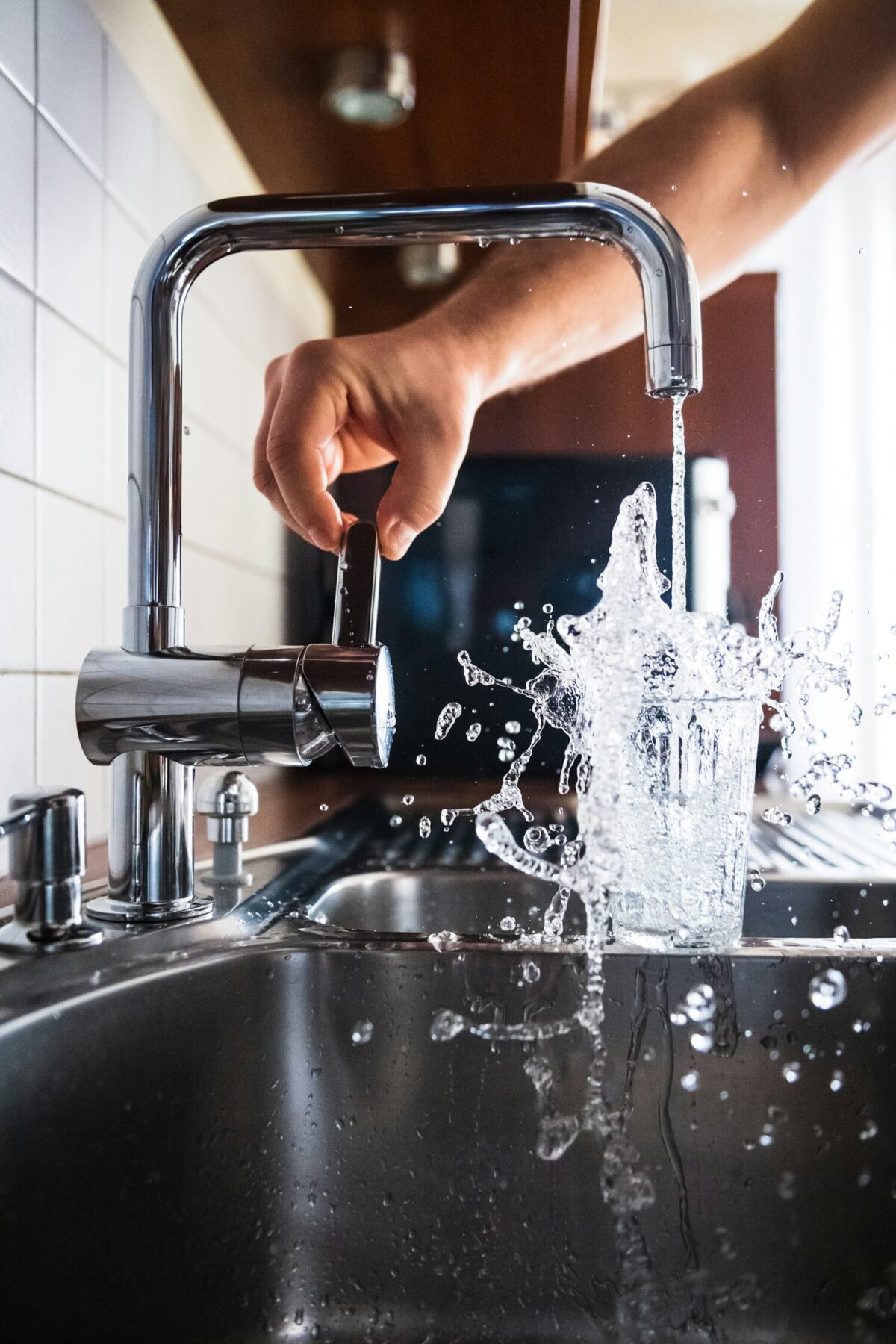
blog post prepare property winter tips

Winterizing Your Property: 10 Essential Tips for a Cozy Season
Jan 8 . Written By Chris Barnes

As the winter chill sets in, it’s crucial to prepare your property to withstand the cold weather and keep your home cozy and comfortable. With a few simple steps, you can protect your property from potential damage and ensure a hassle-free winter season. In this guide, we’ll share 10 essential tips for winterizing your property.

  1. Conduct a Property Inspection: Before winter arrives, take the time to inspect your property thoroughly. Look for any signs of damage or areas that may need attention, such as cracks in the foundation, loose shingles, or gaps around windows and doors. Addressing these issues early can prevent larger problems down the line.

  2. Check Your Heating System: Ensure that your heating system is in good working condition before the cold weather hits. Schedule a professional inspection and maintenance service for your furnace or boiler to ensure it’s operating efficiently and safely. Replace air filters regularly to improve indoor air quality and reduce energy consumption.

  3. Insulate Pipes and Plumbing Fixtures: Frozen pipes can lead to costly water damage and inconvenience during the winter months. Insulate exposed pipes in unheated areas of your property, such as basements, crawl spaces, and attics. Don’t forget to insulate outdoor faucets and wrap them with insulated covers to prevent freezing.

  4. Seal Drafts and Air Leaks: Drafts and air leaks can contribute to heat loss and increase energy bills during the winter. Seal gaps around windows and doors with weatherstripping or caulking to prevent cold air from entering your home. Consider installing door sweeps to block drafts at the bottom of exterior doors.

  5. Clean Gutters and Downspouts: Clogged gutters and downspouts can lead to water backup and ice dams, causing damage to your roof and siding. Before winter arrives, clean out leaves, debris, and other obstructions from your gutters and downspouts. Ensure that water can flow freely away from your property to prevent water damage.

  6. Trim Trees and Shrubs: Heavy snow and ice accumulation can weigh down branches and limbs, leading to property damage and safety hazards. Trim trees and shrubs near your property to remove any dead or overhanging branches that could pose a risk during winter storms. This will help prevent damage to your home and landscaping.

  7. Protect Outdoor Furniture and Equipment: Store outdoor furniture, grills, and gardening equipment in a sheltered location or cover them with waterproof tarps to protect them from the elements. Drain and winterize outdoor water features, such as fountains and sprinkler systems, to prevent freezing and damage.

  8. Test Smoke and Carbon Monoxide Detectors: Ensure that your smoke and carbon monoxide detectors are in good working condition by testing them regularly. Replace batteries as needed and install additional detectors as necessary to provide adequate coverage throughout your property. Safety is paramount, especially during the winter months.

  9. Stock up on Winter Supplies: Be prepared for winter weather emergencies by stocking up on essential supplies, such as rock salt, ice melt, shovels, and emergency kits. Keep these items readily accessible so you can quickly address snow and ice buildup on walkways and driveways to prevent slips and falls.

  10. Create an Emergency Plan: Develop a winter weather emergency plan for your household, including evacuation routes, emergency contacts, and provisions for pets and vulnerable family members. Stay informed about weather forecasts and advisories, and be ready to take action if severe weather strikes.Be clear, be confident and don’t overthink it. The beauty of your story is that it’s going to continue to evolve and your site can evolve with it. Your goal should be to make it feel right for right now. Later will take care of itself. It always does.

By following these essential tips for winterizing your property, you can protect your home, belongings, and loved ones from the harsh realities of winter weather. With a little preparation and foresight, you can enjoy a cozy and stress-free winter season, knowing that your property is well-equipped to handle whatever Mother Nature throws its way.

Stay warm and safe!


About the Author:

With over 15 years of hands-on experience in the property maintenance industry, Chris Barnes is a seasoned professional with a passion for delivering top-tier service. Specializing in home turnovers, Chris understands the intricate details involved in preparing properties for new tenants or owners. His expertise extends beyond mere maintenance tasks; he’s dedicated to ensuring that every project is executed with precision and care, relieving stress and headaches for home and business owners alike. With Chris at the helm, you can trust that your property is in capable hands, receiving the attention and expertise it deserves.

Winter Maintenance . Property Winterization . Home Winter
Prep . Snow Removal . HVAC
Maintenance . Insulation . Plumbing
Winterization . Electrical Safety . Roof Inspection . Outdoor
Maintenance

Chris Barnes

10 home maintenance mistakes avoid

10 Common Home Maintenance Mistakes to Avoid
Home Maintenance Tips . Property Management . Seasonal
Maintenance . Handyman Services . DIY Projects . Home Improvement
Jan 15 . Written By Chris Barnes

When it comes to maintaining your home, prevention is key. However, many homeowners unknowingly make mistakes that can lead to costly repairs down the line. In this blog post, we’ll explore 10 common home maintenance mistakes and provide practical tips on how to avoid them.

  1. Neglecting HVAC Maintenance: Your HVAC system plays a crucial role in keeping your home comfortable year-round. Neglecting regular maintenance, such as changing air filters and scheduling professional inspections, can lead to inefficient operation and costly repairs.

  2. Ignoring Roof and Gutter Cleaning: Clogged gutters and debris-laden roofs can cause water damage to your home’s foundation, roof, and siding. Make sure to clean your gutters regularly and remove debris from your roof to prevent water buildup and potential leaks.

  3. Skipping Routine Plumbing Inspections: Leaky faucets, clogged drains, and other plumbing issues can escalate quickly if left unchecked. Schedule routine inspections with a qualified plumber to identify and address potential problems early on.

  4. Forgetting to Test Smoke and Carbon Monoxide Detectors: Smoke and carbon monoxide detectors are essential for keeping your family safe. Test these devices regularly and replace batteries as needed to ensure they’re functioning properly.

  5. Overlooking Exterior Maintenance: Your home’s exterior is exposed to the elements year-round, making it susceptible to damage. Perform regular inspections of your roof, siding, and foundation, and address any issues promptly to prevent further damage.

  6. Neglecting Lawn and Landscape Maintenance: A well-maintained lawn and landscape not only enhance your home’s curb appeal but also help prevent pests and water damage. Keep grass trimmed, trees pruned, and flower beds mulched to maintain a healthy outdoor environment.

  7. Failing to Seal Windows and Doors: Drafty windows and doors can significantly impact your home’s energy efficiency. Seal gaps and cracks with weatherstripping or caulk to prevent heat loss and reduce your energy bills.

  8. Ignoring Appliance Maintenance: Your appliances work hard to keep your home running smoothly. Make sure to clean and maintain them regularly to prolong their lifespan and prevent breakdowns.

  9. Overlooking Dryer Vent Cleaning: Lint buildup in your dryer vent can pose a fire hazard and reduce your dryer’s efficiency. Clean the lint trap after each use and schedule professional vent cleaning annually to keep your dryer running safely and efficiently.

  10. DIY Repairs Without Proper Knowledge: While DIY projects can be rewarding, attempting repairs without the necessary skills and knowledge can lead to costly mistakes. Know your limits and don’t hesitate to call in a professional for help when needed.

By avoiding these common home maintenance mistakes and staying proactive, you can save yourself time, money, and stress in the long run. Remember to prioritize regular maintenance tasks and address issues promptly to keep your home in optimal condition.


About the Author:

With over 15 years of hands-on experience in the property maintenance industry, Chris Barnes is a seasoned professional with a passion for delivering top-tier service. Specializing in home turnovers, Chris understands the intricate details involved in preparing properties for new tenants or owners. His expertise extends beyond mere maintenance tasks; he’s dedicated to ensuring that every project is executed with precision and care, relieving stress and headaches for home and business owners alike. With Chris at the helm, you can trust that your property is in capable hands, receiving the attention and expertise it deserves.

home maintenance . property upkeep . DIY tips . home
repair . property management
Chris Barnes

diy vs professional when to call a handyman

DIY vs. Professional: When to Call a Handyman
Home Maintenance Tips Jan 22 . Written By Chris Barnes

Are you facing a leaky faucet, a broken light fixture, or a damaged drywall? The decision to handle the repair yourself or call in a professional handyman can be a tough one. While DIY projects can be rewarding and cost-effective, there are times when it’s best to leave it to the experts. Let’s delve into the factors to consider when deciding between DIY and professional services.

  1. Complexity of the Task: Some home repairs, like changing a light bulb or fixing a squeaky door hinge, are simple enough to handle on your own. However, more complex tasks such as electrical wiring, plumbing repairs, or structural work require specialized skills and knowledge. If the project involves intricate steps or safety hazards, it’s wise to seek professional assistance.

  2. Time and Resources: DIY projects can save money, but they often require a significant investment of time and effort. Consider whether you have the necessary tools, materials, and expertise to complete the task efficiently. If the repair is time-sensitive or beyond your skill level, hiring a handyman can ensure a timely and professional outcome.

  3. Cost-Effectiveness: While hiring a professional handyman may seem like an added expense, it can actually save you money in the long run. DIY mistakes can lead to costly repairs or even cause further damage to your home. By investing in professional services, you’ll benefit from quality workmanship and peace of mind knowing the job is done right the first time.

  4. Safety Concerns: Certain home repairs pose safety risks, especially when dealing with electrical, plumbing, or structural issues. Attempting to tackle these repairs without the proper training or equipment can result in accidents or injuries. Protect yourself and your home by entrusting hazardous tasks to qualified professionals.

  5. Warranty and Guarantee: Professional handyman services often come with warranties or guarantees, providing added protection and reassurance. If something goes wrong after the repair, you can rely on the handyman to rectify the issue at no extra cost. With DIY projects, you’re solely responsible for any mistakes or defects.

In conclusion, while DIY projects can be empowering and budget-friendly, there are times when professional assistance is the wisest choice. Whether it’s a minor repair or a major renovation, prioritize safety, quality, and efficiency when deciding between DIY and professional services.


About the Author:

With over 15 years of hands-on experience in the property maintenance industry, Chris Barnes is a seasoned professional with a passion for delivering top-tier service. Specializing in home turnovers, Chris understands the intricate details involved in preparing properties for new tenants or owners. His expertise extends beyond mere maintenance tasks; he’s dedicated to ensuring that every project is executed with precision and care, relieving stress and headaches for home and business owners alike. With Chris at the helm, you can trust that your property is in capable hands, receiving the attention and expertise it deserves.

DIY . Handyman . Home Repairs . Professional Services

Chris Barnes

importance of regular plumbing maintenance

The Importance of Regular Plumbing Maintenance
Home Maintenance Tips Jan 29 . Written By Chris Barnes

Your home’s plumbing system is a vital component that requires regular care and attention to keep it functioning properly. From supplying clean water to removing waste, your plumbing system plays a crucial role in maintaining your home’s health and comfort. In this blog post, we’ll explore the importance of regular plumbing maintenance and how it can benefit you in the long run.

  1. Prevent Costly Repairs: Regular plumbing maintenance helps identify and address minor issues before they escalate into major problems. By scheduling routine inspections and maintenance checks, you can catch leaks, clogs, and other issues early on, saving you from costly repairs down the line. Investing in preventive maintenance can ultimately save you time, money, and frustration.

  2. Maintain Water Efficiency: A well-maintained plumbing system operates more efficiently, reducing water waste and lowering your utility bills. Leaky faucets, running toilets, and other common plumbing problems can waste hundreds of gallons of water each year if left unchecked. By promptly repairing leaks and optimizing your plumbing fixtures, you can conserve water and reduce your environmental footprint.

  3. Extend Lifespan of Fixtures: Regular maintenance helps extend the lifespan of your plumbing fixtures and appliances, saving you from premature replacements. By cleaning, lubricating, and inspecting your fixtures regularly, you can prevent corrosion, rust, and other issues that can lead to costly replacements. With proper care and maintenance, your plumbing fixtures can continue to function effectively for years to come.

  4. Ensure Health and Safety: Faulty plumbing systems can pose health and safety risks to you and your family. Leaky pipes can promote mold growth, while clogged drains can lead to sewage backups and contamination. By maintaining your plumbing system, you can ensure a safe and healthy living environment for everyone in your home.

In conclusion, regular plumbing maintenance is essential for preserving the integrity and functionality of your home’s plumbing system. By investing in preventive maintenance and addressing issues promptly, you can avoid costly repairs, conserve water, and ensure the health and safety of your family. Schedule regular maintenance checks with a qualified professional to keep your plumbing system in top condition.

About the Author:

With over 15 years of hands-on experience in the property maintenance industry, Chris Barnes is a seasoned professional with a passion for delivering top-tier service. Specializing in home turnovers, Chris understands the intricate details involved in preparing properties for new tenants or owners. His expertise extends beyond mere maintenance tasks; he’s dedicated to ensuring that every project is executed with precision and care, relieving stress and headaches for home and business owners alike. With Chris at the helm, you can trust that your property is in capable hands, receiving the attention and expertise it deserves.

Plumbing . Maintenance . Home Repairs . Property
Maintenance
Chris Barnes

creative solutions small space organization

Creative Solutions for Small Space Organization
Home Organization Tips Feb 5 . Written By Chris Barnes

Living in a small space doesn’t mean sacrificing style or functionality. With the right strategies and creative solutions, you can make the most of every inch of your home while keeping it organized and clutter-free. In this blog post, we’ll share some innovative ideas and practical tips for small space organization that will transform your living space into a functional and stylish oasis.

  1. Multi-Functional Furniture: Invest in furniture pieces that serve multiple purposes to maximize space utilization. Consider a storage ottoman that doubles as a coffee table or a sofa bed for guests. Look for modular furniture with built-in storage compartments to keep clutter at bay while adding style to your space.

  2. Vertical Storage Solutions: Make use of vertical space by installing shelves, racks, and hooks on walls to store items and free up valuable floor space. Utilize wall-mounted organizers in the kitchen for pots, pans, and utensils, or install floating shelves in the living room to display books, photos, and decor.

  3. Underutilized Spaces: Think outside the box and identify underutilized spaces in your home, such as under the bed, stairs, or corners. Use storage bins, baskets, or rolling carts to maximize these areas and keep items organized and easily accessible. Consider investing in space-saving furniture like wall-mounted desks or foldable tables for added versatility.

  4. Declutter Regularly: Keep clutter in check by decluttering regularly and purging items you no longer need or use. Adopt a minimalist mindset and prioritize quality over quantity when it comes to belongings. Donate or sell items that no longer serve a purpose and create a serene and clutter-free environment in your home.

  5. Custom Storage Solutions: Consider custom storage solutions tailored to your specific needs and space constraints. Invest in built-in cabinets, closets, or shelving units that maximize storage capacity while complementing your home’s aesthetic. Work with a professional designer or carpenter to create custom solutions that fit your space perfectly.

In conclusion, small space living requires creativity, resourcefulness, and organization. By implementing these creative solutions and practical tips, you can transform your small space into a functional and stylish oasis that reflects your personality and lifestyle. Embrace the challenge of small space living and unlock the full potential of your home with innovative organization strategies.

About the Author:

With over 15 years of hands-on experience in the property maintenance industry, Chris Barnes is a seasoned professional with a passion for delivering top-tier service. Specializing in home turnovers, Chris understands the intricate details involved in preparing properties for new tenants or owners. His expertise extends beyond mere maintenance tasks; he’s dedicated to ensuring that every project is executed with precision and care, relieving stress and headaches for home and business owners alike. With Chris at the helm, you can trust that your property is in capable hands, receiving the attention and expertise it deserves.

Organization . Small Spaces . Home
Improvement . Decluttering
Chris Barnes

turnover process expert tips property management

Streamline Your Turnover Process: Expert Tips for Property Management Groups
Property Management Feb 12 . Written By Chris Barnes

As a property management group, ensuring a seamless turnover process for rental properties is essential for maximizing revenue and attracting quality tenants. From coordinating maintenance tasks to communicating effectively with tenants, every aspect of the turnover process plays a crucial role in the success of your property management business. In this blog post, we’ll share expert tips and strategies to streamline your turnover process and achieve optimal results.

  1. Efficient Maintenance Tasks: One of the key components of a successful turnover process is efficient maintenance tasks. Prioritize essential repairs and upgrades that will enhance the appeal of the property and attract quality tenants. Work with a reliable maintenance professional like Grit City Maintenance to handle tasks such as painting, flooring repairs, appliance installations, and general maintenance to ensure the property is in top condition for the next tenant.

  2. Effective Communication: Clear and timely communication is vital throughout the turnover process to keep all stakeholders informed and ensure a smooth transition between tenants. Establish open lines of communication with property owners, tenants, and maintenance professionals to address any concerns or issues promptly. Utilize technology tools such as property management software or communication apps to streamline communication and track progress effectively.

  3. Tenant Satisfaction: Prioritize tenant satisfaction during the turnover process to maintain positive relationships and encourage lease renewals. Address any maintenance requests or issues promptly to demonstrate your commitment to tenant comfort and well-being. Consider offering incentives or rewards for tenants who maintain the property in good condition or refer new tenants to your property management group.

  4. Thorough Property Inspections: Conduct thorough property inspections before and after each turnover to identify any maintenance or repair needs and ensure the property meets rental standards. Document the condition of the property with photos or videos to avoid disputes and discrepancies later on. Schedule regular inspections throughout the lease term to address any maintenance issues proactively and maintain property value.

  5. Professional Turnover Services: Partner with experienced professionals like Grit City Maintenance to handle all aspects of the turnover process efficiently and effectively. From routine maintenance tasks to emergency repairs, having a trusted maintenance partner on your side can save time, money, and hassle for property management groups. With Grit City Maintenance, you can rely on top-tier service and expertise to streamline your turnover process and exceed tenant expectations.

In conclusion, optimizing the turnover process is crucial for property management groups to maximize revenue, attract quality tenants, and maintain positive relationships with property owners and tenants alike. By implementing these expert tips and strategies, you can streamline your turnover process and achieve optimal results for your rental properties.


About the Author:

With over 15 years of hands-on experience in the property maintenance industry, Chris Barnes is a seasoned professional with a passion for delivering top-tier service. Specializing in home turnovers for new tenants, Chris understands the unique challenges and opportunities involved in the turnover process. His expertise extends beyond mere maintenance tasks; he’s dedicated to ensuring that every turnover is executed with precision and care, relieving stress and headaches for property management groups and tenants alike. With Chris at the helm, you can trust that your turnover process is in capable hands, delivering exceptional results and exceeding expectations.

Turnover Process . Property Management . Tenant
Turnover . Rental Properties . Maintenance Tips
Chris Barnes

preventative maintenance tips

Preventative Maintenance 101: How to Avoid Costly Repairs Down the Line

Property Maintenance
Feb 19 . Written By Chris Barnes

In today’s fast-paced world, staying ahead of property maintenance issues can be challenging. However, adopting a proactive approach to maintenance can help you avoid costly repairs and ensure your property remains in top condition. Here are some essential tips to help you implement preventative maintenance effectively:

  1. Regular Inspections: Schedule routine inspections of your property to identify any signs of wear and tear, leaks, or damage.

  2. Address Issues Promptly: Don’t wait for minor issues to escalate into major problems. Address them promptly to prevent further damage.

  3. Seasonal Maintenance: Stay on top of seasonal maintenance tasks such as gutter cleaning, HVAC servicing, and roof inspections.

  4. Invest in Quality: When making repairs or upgrades, invest in quality materials and workmanship to ensure longevity and durability.

  5. Create a Maintenance Schedule: Develop a maintenance schedule outlining tasks and timelines to ensure nothing falls through the cracks.

  6. Educate Tenants: Provide tenants with guidelines on property care and maintenance to encourage proactive behavior.

  7. Plan for the Future: Anticipate future maintenance needs and budget accordingly to avoid financial strain down the line.

  8. Partner with Professionals: Establish relationships with reliable maintenance professionals who can provide expert advice and assistance.

By implementing these preventative maintenance strategies, you can safeguard your property against costly repairs and ensure its long-term health and value.

Ready to take the next step in proactive property maintenance? Contact Chris Barnes at gritcitymaintenance@gmail.com or text at 253-886-0592 today to discuss your maintenance needs and schedule a consultation.

About the Author:

With over 15 years of hands-on experience in the property maintenance industry, Chris Barnes is a seasoned professional with a passion for delivering top-tier service. Specializing in home turnovers, Chris understands the intricate details involved in preparing properties for new tenants or owners. His expertise extends beyond mere maintenance tasks; he’s dedicated to ensuring that every project is executed with precision and care, relieving stress and headaches for home and business owners alike. With Chris at the helm, you can trust that your property is in capable hands, receiving the attention and expertise it deserves.

preventative maintenance . property upkeep . proactive
repairs . maintenance tips . property management
Chris Barnes

why small business owners should hire property maintenance

Why Small Business Owners Should Hire a Property Maintenance Company

Business Tips Feb 26 . Written By Chris Barnes

Running a small business comes with its fair share of challenges. From managing operations to serving customers, there’s always something demanding your attention. Amidst the hustle and bustle of daily operations, property maintenance often gets pushed to the bottom of the to-do list. However, neglecting maintenance tasks can lead to costly repairs, safety hazards, and potential disruptions to your business.

Here are some compelling reasons why small business owners should consider hiring a property maintenance company:

  1. Save Time and Resources: Handling maintenance tasks in-house can be time-consuming and costly. By outsourcing these tasks to a property maintenance company, you can free up valuable time and resources that can be better allocated to growing your business.

  2. Consistent Quality of Work: Property maintenance companies specialize in various maintenance tasks, from plumbing and electrical work to general repairs and upkeep. Their expertise ensures that maintenance tasks are completed to a high standard, reducing the risk of recurring issues.

  3. Reduce Liability Risks: Proper maintenance is essential for ensuring the safety of your employees and customers. By entrusting maintenance tasks to professionals, you can mitigate liability risks associated with accidents or injuries resulting from neglected maintenance.

  4. Focus on Core Business Activities: Outsourcing maintenance allows you to focus on what you do best – running your business. With professionals handling property maintenance, you can devote more time and energy to serving your customers and growing your business.

  5. Cost Savings in the Long Run: While outsourcing maintenance may seem like an additional expense, it can actually result in long-term cost savings. Proactive maintenance helps identify and address issues early on, preventing them from escalating into costly repairs down the line.

At Grit City Maintenance, we understand the unique challenges faced by small business owners. Our team of experienced professionals is dedicated to providing top-tier property maintenance services tailored to your business needs. From routine inspections to emergency repairs, we’ve got you covered, so you can focus on what matters most – running your business.

Ready to take the hassle out of property maintenance? Contact us today to learn more about our services and how we can support your small business.


About the Author: With over 15 years of experience in the property maintenance industry, Chris Barnes is passionate about helping small business owners streamline their operations and achieve success. As the founder of Grit City Maintenance, Chris takes pride in delivering reliable and efficient maintenance solutions that allow businesses to thrive.

Ready to tackle your spring maintenance checklist? Contact Grit City Maintenance today for expert assistance with all your home maintenance needs.

Small Business . Property
Maintenance . Outsourcing . Efficiency . Cost Savings
Chris Barnes

Seasonal Maintenance Checklist Spring

Seasonal Maintenance Checklist for Homeowners: Spring Edition
Home Maintenance Mar 4 . Written By Chris Barnes

Spring is just around the corner, and it’s the perfect time to give your home some much-needed attention after the long winter months. To help you get started, we’ve put together a comprehensive checklist of essential maintenance tasks to ensure your home is in top condition for the season ahead.

1. Inspect Your Roof: Start by inspecting your roof for any signs of damage or wear. Look for missing or damaged shingles, leaks, or areas where the roof may be sagging. Addressing any issues now can prevent more significant problems down the line.

2. Clean Gutters and Downspouts: Clear out any debris, leaves, or branches that may have accumulated in your gutters and downspouts over the winter. Clogged gutters can lead to water damage and potential flooding, so it’s essential to keep them clear and flowing freely.

3. Service Your HVAC System: Schedule a professional inspection and servicing of your HVAC system to ensure it’s operating efficiently and effectively. Replace air filters, clean vents and ducts, and check for any issues that may need addressing.

4. Check Exterior Surfaces: Inspect the exterior of your home, including siding, brickwork, and foundation, for any signs of damage or deterioration. Look for cracks, gaps, or areas where water may be seeping in, and make repairs as needed.

5. Test Outdoor Faucets and Sprinkler Systems: Turn on outdoor faucets and sprinkler systems to check for leaks or damaged components. Replace any worn-out washers or fittings, and ensure that hoses are properly connected and in good condition.

6. Trim Trees and Shrubs: Trim back any overgrown trees or shrubs that may be encroaching on your home or blocking sunlight from reaching windows or doors. Proper pruning can help improve air circulation and prevent damage from falling branches.

7. Clean and Seal Outdoor Surfaces: Power wash decks, patios, and sidewalks to remove dirt, grime, and mildew buildup. Apply a fresh coat of sealant or stain to protect wood surfaces and prevent water damage.

8. Check Smoke and Carbon Monoxide Detectors: Test smoke and carbon monoxide detectors to ensure they’re functioning correctly. Replace batteries as needed and consider installing additional detectors in areas where they may be lacking.

9. Schedule Lawn Care Maintenance: Prepare your lawn for the growing season by aerating, fertilizing, and overseeding as needed. Clear away any debris or dead vegetation and start planning your landscaping projects for the coming months.

10. Review Home Insurance Coverage: Take some time to review your home insurance policy to ensure you have adequate coverage for any potential spring-related hazards, such as flooding or storm damage. Consider updating your policy if necessary to provide additional protection.

By following this seasonal maintenance checklist, you can help protect your home and ensure it’s ready to weather the spring months ahead. Remember, a little maintenance now can save you time, money, and headaches down the road.

For professional assistance with your home maintenance needs, contact Grit City Maintenance today. Our experienced team is here to help keep your home in tip-top shape all year round.


About the Author: With over 15 years of hands-on experience in the property maintenance industry, Chris Barnes is a seasoned professional with a passion for delivering top-tier service. Specializing in home turnovers, Chris understands the intricate details involved in preparing properties for new tenants or owners. His expertise extends beyond mere maintenance tasks; he’s dedicated to ensuring that every project is executed with precision and care, relieving stress and headaches for home and business owners alike. With Chris at the helm, you can trust that your property is in capable hands, receiving the attention and expertise it deserves.

Ready to tackle your spring maintenance checklist? Contact Grit City Maintenance today for expert assistance with all your home maintenance needs.

Home Maintenance . Spring  . Seasonal
Maintenance . Homeowner Tips  . Property Maintenance

Chris Barnes